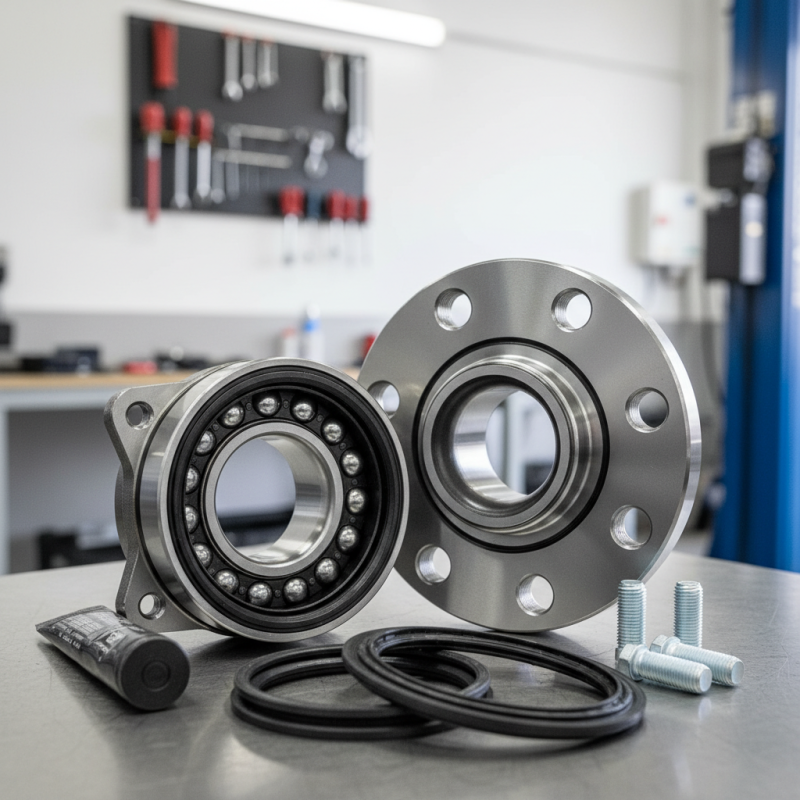
Essential Tips for Choosing Wheel Hub Bearing Units?
Choosing the right wheel hub bearing units can feel overwhelming. With various options available, it's crucial to understand what makes a great choice. These units are essential for the vehicle's performance. They integrate the wheel and axle, allowing for smooth rotation and handling.
When selecting a wheel hub bearing unit, consider factors like quality and compatibility. Poor choices can lead to premature wear or failure. Look for units made from durable materials. Pay attention to the design and sealing features, which affect longevity. Quality matters; a lower price might mean lower reliability.
Reflecting on past experiences can help. Have you ever faced issues due to subpar components? Those moments can reveal the importance of making informed decisions. Remember, investing in reliable wheel hub bearing units leads to safer driving and enhanced vehicle performance.
Understanding Wheel Hub Bearing Units and Their Importance
Wheel hub bearing units are vital components of automotive systems. They support the weight of vehicles and allow smooth wheel rotation. Choosing the right unit can enhance safety and performance. Regular inspections can reveal wear and tear, which can lead to costly repairs if ignored. A good understanding of these components is essential for all vehicle owners.
Many factors influence the selection of wheel hub bearing units. Consider the vehicle type and driving conditions. For instance, heavy-duty vehicles require more robust units. Moreover, environmental factors play a role. Units exposed to moisture may need different materials to resist corrosion. It's easy to overlook these details, but they significantly impact the overall functioning.
Quality matters when selecting wheel hub bearing units. Cheaper options may save money initially but could lead to more problems later. Often, buyers focus on price rather than specifications. It’s important to balance cost with reliability. Reflecting on past experiences can guide better choices in the future. Understanding the intricacies of these components leads to wiser decisions over time.
Key Factors to Consider When Selecting Wheel Hub Bearing Units
When selecting wheel hub bearing units, several key factors come into play. The design and material of the unit are critical. Common materials include steel and composites. Steel offers durability, while composites can reduce weight. Research indicates that improper material choice can lead to early failures. For instance, a study by the Society of Automotive Engineers noted that 30% of bearing failures stem from material defects.
Another crucial factor is load capacity. It’s vital to match the bearing unit to the vehicle's specifications. Underestimating load capacity can result in performance issues. A report from the International Journal of Engineering showed that mismatched load ratings can reduce service life by up to 40%. Consider the vehicle's purpose; heavy-duty vehicles require robust bearings.
Tip: Always check compatibility with your specific vehicle. Consult the manufacturer’s guidelines or engineering data.
Furthermore, maintenance and installation should not be overlooked. Proper installation reduces the risk of premature wear. Data suggests that up to 20% of bearing failures are due to improper installation techniques. Make sure to use the correct tools and methods.
Tip: Invest in training for installation. It's worth the cost in the long run.
Types of Wheel Hub Bearing Units and Their Applications
When choosing wheel hub bearing units, understanding their types and applications is crucial. There are mainly two types: the unitized and the traditional bearing types. Unitized hub bearings are pre-assembled. They are easy to install. This can save mechanics time during repairs. However, their cost can be higher than traditional types.
Traditional bearings, on the other hand, are versatile. They provide an opportunity for individual replacement of components. This may reduce costs in some cases. Yet, the installation process can be more complex. Many mechanics prefer to stick to the traditional type, especially when they are unsure about the new options.
Different vehicles require different wheel hub bearing units. For trucks, heavy-duty units are essential for durability. In contrast, lighter vehicles can use compact models. It's also important to consider vehicle usage. Off-road vehicles may need specialized designs. Each application presents unique challenges. Not all options fit every need, and this mistake can lead to performance issues.
Essential Tips for Choosing Wheel Hub Bearing Units
| Type of Wheel Hub Bearing Unit | Description | Typical Applications | Load Capacity |
| Single Row Ball Bearing | Designed to accommodate radial loads and minor axial loads. | Lightweight vehicles, passenger cars. | Up to 4000 N. |
| Double Row Angular Contact Bearing | Designed to handle higher axial loads in both directions. | Sports cars, performance vehicles. | Up to 6000 N. |
| Tapered Roller Bearing | Robust design allows for heavy load handling and great stiffness. | Trucks, SUVs, heavy-duty vehicles. | Up to 15000 N. |
| Hub Unit Bearing | Combines the bearing and hub as a single unit for easy installation. | Modern cars, all-wheel-drive vehicles. | Up to 8000 N. |
Common Materials Used in Wheel Hub Bearings and Their Benefits
Choosing the right materials for wheel hub bearings is crucial for performance. Common materials include steel, aluminum, and plastic. Steel is the most popular option. Its strength and durability can withstand heavy loads. However, it is heavier, which might impact vehicle efficiency.
Aluminum offers a lighter alternative. It helps reduce the overall weight of the vehicle. This can improve fuel efficiency. Yet, aluminum may not be as durable as steel. It can be prone to deformation under extreme stress.
Plastic is another option. It is lightweight and resistant to corrosion, but it may not provide the necessary strength for heavy-duty applications.
Each material has distinct advantages. Choosing the right one can be challenging. Factors like vehicle type and intended use must be considered. Ask yourself how much you value
weight versus durability. It might lead to a compromise you hadn’t considered before. Understanding these materials is vital for
optimal performance.
Maintenance Tips for Prolonging the Life of Wheel Hub Bearing Units
Maintaining your wheel hub bearing units is vital for vehicle longevity. Regular checks can help you avoid costly repairs down the line. Look for any signs of wear and tear. This includes unusual noises or vibrations while driving. These could signal problems with the bearings.
**Tips:** Clean the area around the hub regularly. Dirt and grime can lead to premature wear. Use a soft brush to remove debris. Lubrication is also key. Make sure the bearings are adequately greased. This can extend their lifespan significantly.
Pay attention to your driving habits as well. Hard cornering or sudden stops can stress the bearings. Gentle driving can reduce wear. It's not just about the parts; it’s about how you drive them. Over time, even the best components can fail if not treated well. Regular maintenance helps avoid these issues.
Essential Tips for Choosing Wheel Hub Bearing Units
This chart illustrates the performance factors influencing the lifespan of wheel hub bearing units, including Load Capacity, Material Quality, Maintenance Frequency, and Environmental Conditions.