What is a Photovoltaic Connector and How Does it Work?
Photovoltaic connectors play a crucial role in solar energy systems. They ensure efficient power transfer between photovoltaic panels and inverters. According to the International Renewable Energy Agency (IRENA), solar power capacity has grown by over 20% annually since 2010. This growth highlights the increasing importance of components like photovoltaic connectors.
These connectors must withstand extreme weather conditions and provide reliable electrical connections. A study by the National Renewable Energy Laboratory (NREL) indicates that poor connections can lead to energy losses of up to 10%. Therefore, the quality of photovoltaic connectors is vital for system performance.
In an industry focused on innovation, manufacturers continually develop better connectors. Yet, some designs still lack robustness. As solar energy adoption increases, the need for durable and efficient photovoltaic connectors becomes more pressing. A slight oversight in connector design can impact energy outputs significantly. Recognizing these challenges is essential for improving solar technology.
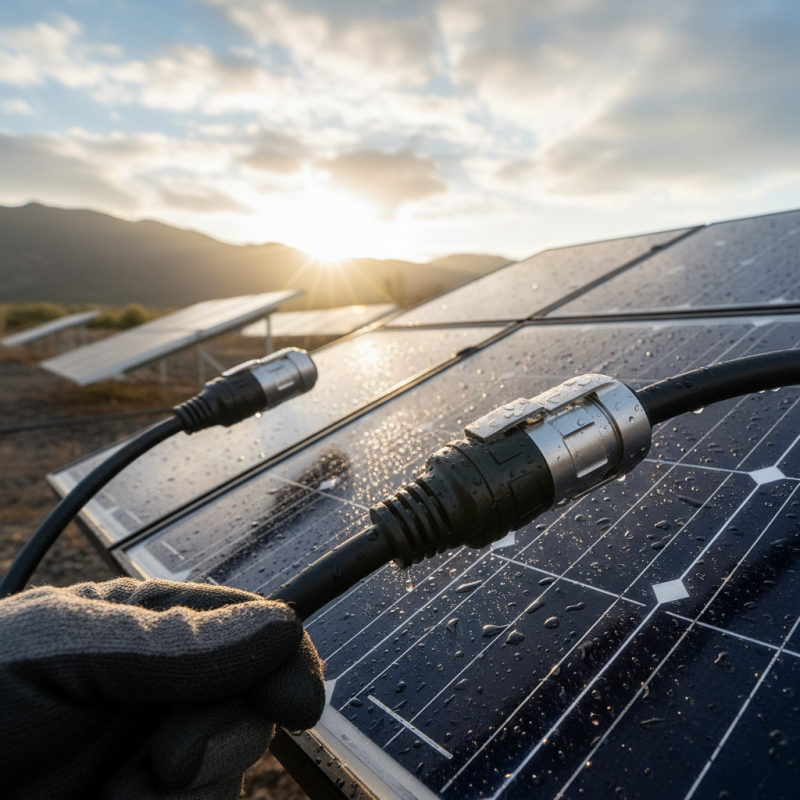
Definition and Purpose of Photovoltaic Connectors in Solar Energy Systems
Photovoltaic connectors play a crucial role in solar energy systems. They connect solar panels to inverters and batteries, ensuring efficient electricity flow. A well-designed connector creates a reliable link between components. This can enhance the system's overall performance. However, improper use can lead to significant issues.
These connectors are built to withstand harsh conditions. For example, they are often waterproof and UV-resistant. These features help protect the connection from environmental damage. Despite this, some connectors may degrade over time. Regular inspection is necessary to ensure they function correctly.
The choice of photovoltaic connectors can impact system efficiency. Incorrect specifications can lead to energy loss or safety hazards. It’s essential to understand compatibility when selecting connectors. This decision can directly affect the longevity of the solar energy system. Making informed choices can avoid future headaches.
Key Components of Photovoltaic Connectors and Their Functions
Photovoltaic connectors are vital for solar energy systems. They ensure a reliable link between solar panels and electrical systems. Understanding their key components helps in optimizing performance and safety.
One primary component is the locking mechanism. This feature prevents accidental disconnection and ensures stable power flow. According to industry reports, around 65% of solar panel issues arise from poor connections. Next, the contacts inside these connectors conduct electricity. High-quality contacts reduce resistance, which is crucial for efficiency. Studies indicate that even a small increase in resistance can lead to significant energy loss over time.
The housing is also important. It's designed to protect against environmental factors like moisture and dust. Inappropriate materials can lead to early degradation. Many connectors fail when exposed to harsh conditions. Research shows that about 30% of photovoltaic system failures are related to connector issues. Investing in quality components can mitigate these risks, ensuring a longer lifespan for solar installations.
Photovoltaic Connector Performance Analysis
Working Mechanism of Photovoltaic Connectors in Energy Transmission
Photovoltaic connectors play an essential role in solar energy systems. They connect solar panels to inverters and other components. Without effective connectors, the entire system becomes inefficient. These connectors must withstand environmental conditions, such as heat and moisture. A failure could lead to energy loss or even system shutdowns.
The working mechanism of photovoltaic connectors is straightforward yet crucial. They ensure a secure electrical connection, minimizing resistance. When sunlight hits the solar panels, it generates direct current (DC). This current travels through connectors to the inverter, converting it to alternating current (AC). The quality of these connectors influences the overall energy transmission. Improper connections can cause hotspots, leading to potential fire hazards.
Material choice is significant. Connectors often use metals with high conductivity. However, not all connectors maintain performance over time. Some might corrode or degrade under stress. Regular inspections are necessary to ensure they are functioning properly. Corroded connectors can disrupt the flow of energy. Monitoring their condition can prevent larger issues and maintain efficiency in solar energy systems.
Industry Standards and Specifications for Photovoltaic Connectors
Photovoltaic connectors play a vital role in solar energy systems. They ensure reliable connections between solar panels, inverters, and batteries. Industry standards dictate their design and functionality. The most recognized standards include IEC 62852 and UL 6703. These set parameters for safety and efficiency.
According to a recent market report, the global photovoltaic connector market is expected to grow by 15% annually. This reflects the increasing adoption of solar energy. Proper standards are crucial for ensuring safe and effective energy transmission. It’s essential to evaluate connectors based on their current and voltage ratings. High-quality connectors withstand environmental stress and prolong system lifespan.
Tip: Always check connector compatibility with your system’s voltage. Mismatched connectors may lead to failures. Choose connectors that meet or exceed industry standards. Investing in quality connectors pays off in the long term. Remember, not all connectors are created equal. Safety should never be compromised.
Maintenance and Safety Considerations for Photovoltaic Connectors in Use
Photovoltaic connectors are essential to solar energy systems. They enable the safe and efficient connection of solar panels. However, maintenance and safety are often overlooked. Regular inspections are crucial to ensure optimal performance. According to a recent industry report, improper maintenance can reduce efficiency by up to 20%. Regular cleaning and checking for damage can prevent this.
Safety is paramount. Connectors must withstand various environmental conditions. Extreme temperatures and moisture can affect their performance. The National Renewable Energy Laboratory (NREL) states that about 15% of solar failures are due to poor connections. Overheating connectors can lead to fire hazards. Therefore, routine checks for signs of wear and proper sealing against moisture are important.
In practice, many installations neglect regular maintenance. Some owners assume everything is fine until a problem arises. Frequent maintenance could prevent costly repairs later. A proactive approach increases the lifespan of photovoltaic systems. It’s not just about saving money; it’s about ensuring safety and efficiency.
What is a Photovoltaic Connector and How Does it Work? - Maintenance and Safety Considerations for Photovoltaic Connectors in Use
| Dimension | Description | Maintenance Tips | Safety Considerations |
| Material | Usually made from UV-resistant plastics and copper for conductivity. | Regular inspection for wear and tear. | Avoid exposure to extreme temperatures. |
| Voltage Rating | Typically rated for 600V to 1000V depending on application. | Ensure proper matching with solar panel specifications. | Always de-energize before working on connections. |
| Current Rating | Current ratings can vary between 10A to 30A. | Monitor for overheating issues during operation. | Use appropriate protective gear while handling. |
| Weather Resistance | Designed to withstand moisture and UV exposure. | Check seals and gaskets for integrity. | Positioning in sheltered locations may be beneficial. |
| Disconnectability | Allows for easy disconnect for maintenance and safety. | Practice proper unplugging techniques. | Ensure environment is safe before disconnecting. |

