How to Choose the Right Power Cords for Your Devices?
Choosing the right power cords is crucial for device performance and safety. According to John Miller, a leading expert in the electrical industry, "Many people underestimate the importance of selecting appropriate power cords." This statement highlights a common oversight.
Power cords come in various types and specifications. They vary based on voltage ratings, current capacity, and connector types. An improper choice can lead to device malfunction or even damage. For instance, using a low-quality cord for high-power devices may pose risks. People often think "any cord will do," but that’s misleading.
Think about the connections in your home. Each device has unique requirements. Ignoring these details can lead to frustrating experiences. Moreover, it’s easy to overlook the safety standards that apply. Users may choose convenience over safety without realizing the consequences. Reflecting on these aspects ensures smarter choices when dealing with power cords.
Understanding Different Types of Power Cords and Their Uses
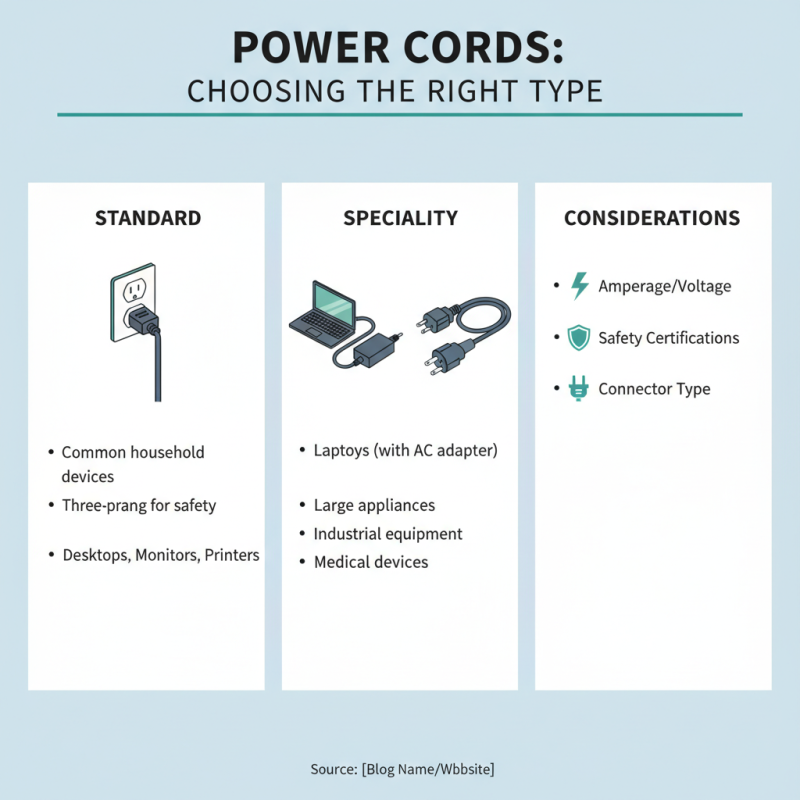
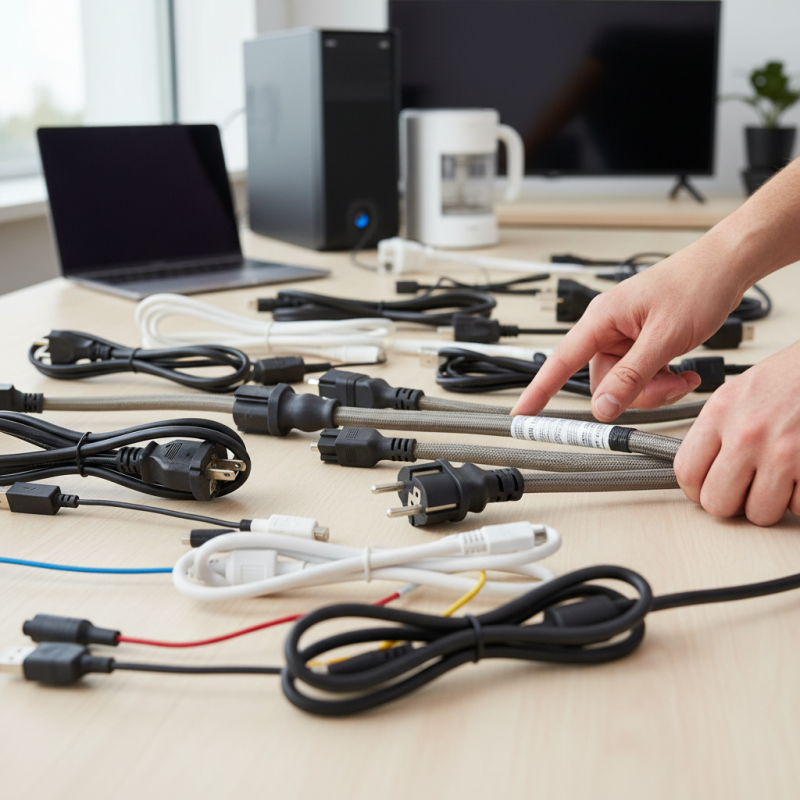
When choosing the right power cords, understanding different types is crucial. There are various designs for specific needs. For example, standard power cords are common for many household devices. They often have three-prong connectors for safety.
Some devices, like laptops, use specialized power cords. These may have unique connectors. It’s important to check voltage ratings for compatibility. Cords that don’t match can cause issues. Over time, wear and tear may weaken cords. Frayed or damaged cords are dangerous, both in performance and safety.
Extension cords also serve specific functions. They provide extra length for devices far from outlets. However, they can lead to overloads if not monitored. Choosing the right length helps prevent tangles. Weight and gauge matter too. Heavier cords typically handle more power. Reflect on the environment where they'll be used. Indoors and outdoors have different requirements. Understanding these details makes a significant difference in ensuring safety and efficiency.
Assessing Voltage and Current Requirements for Your Devices
Choosing the right power cords for your devices hinges on understanding voltage and current requirements. Most household devices operate within a standard voltage range of 100-240 volts. However, devices like power tools may require higher voltage levels. Failing to match the voltage can lead to inadequate power supply or potential device damage.
Current, measured in amperes, is equally important. Devices usually indicate their amperage needs on a label. For example, a vacuum cleaner may draw around 10 amps. Using a cord that can’t handle this current can result in overheating. Reports suggest that improperly rated cords contribute to over 30% of electrical failures.
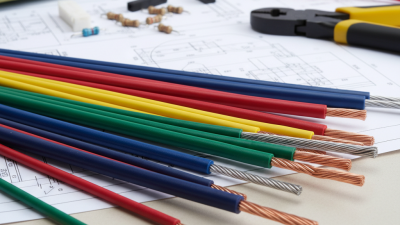
It’s essential to consider the cord's gauge as well. A lower gauge number indicates a thicker wire, capable of carrying more current. For high-draw appliances, like refrigerators, using a 12-gauge cord is often advisable. Yet, many underestimate this need, opting for thinner cords that lead to performance issues. Selecting cords with appropriate ratings ensures device efficiency and longevity.
How to Choose the Right Power Cords for Your Devices?
| Device Type |
Voltage (V) |
Current (A) |
Power (W) |
Cable Thickness (AWG) |
| Laptop |
19 |
4 |
76 |
18 |
| Desktop Computer |
120 |
5 |
600 |
16 |
| Television |
120 |
2 |
240 |
18 |
| Printer |
120 |
2.5 |
300 |
18 |
| Smartphone Charger |
5 |
2 |
10 |
22 |
Identifying Connector Types: Ensuring Compatibility with Your Devices
When choosing power cords, identifying connector types is crucial. Many devices come with specific types of connectors. For example, some use barrel plugs, while others rely on USB connections. Knowing the connector type ensures compatibility. A mismatched cord can lead to inefficiencies or even damage.
Look closely at your devices. Check the shape and size of the connector. Some connectors may look similar but have different pin arrangements. It’s easy to overlook these details. Using the wrong cord might seem convenient, yet it can cause serious issues. Always double-check the specifications.
Don’t forget about the cord's power rating. Each device has its own energy requirements. A cord that can’t handle the needed voltage may overheat. This is a risk not worth taking. It’s beneficial to research the appropriate ratings for your devices. Taking time to choose the right cord pays off. Mistakes can be costly.
Power Cord Compatibility for Various Devices
Evaluating Power Cord Length and Flexibility for Your Application
When selecting power cords, length and flexibility matter greatly. According to a recent industry study, about 70% of users prefer cords that provide ease of movement. A shorter cord may restrict device positioning, while a longer one can lead to tangling. Ideally, a cord should be long enough to reach the outlet but not so long that it becomes cumbersome.
Flexibility can enhance usability. A stiff cord can limit the angles at which a device can be used. Research indicates that flexible cords are less likely to suffer wear and tear. Many users report frustrations with inflexible cords, especially in tight spaces. In contrast, flexible cords better accommodate varying setups, making them ideal for workstations or home entertainment spaces.
Considering these factors is essential. Some users may find that they often trip over excessively long cords. This can pose a safety hazard. While it may be tempting to choose a longer cord for convenience, balance is key. Evaluate your specific needs and adjust accordingly. The right cord can significantly improve your experience with your devices.
Safety Considerations When Choosing Power Cords for Electronics
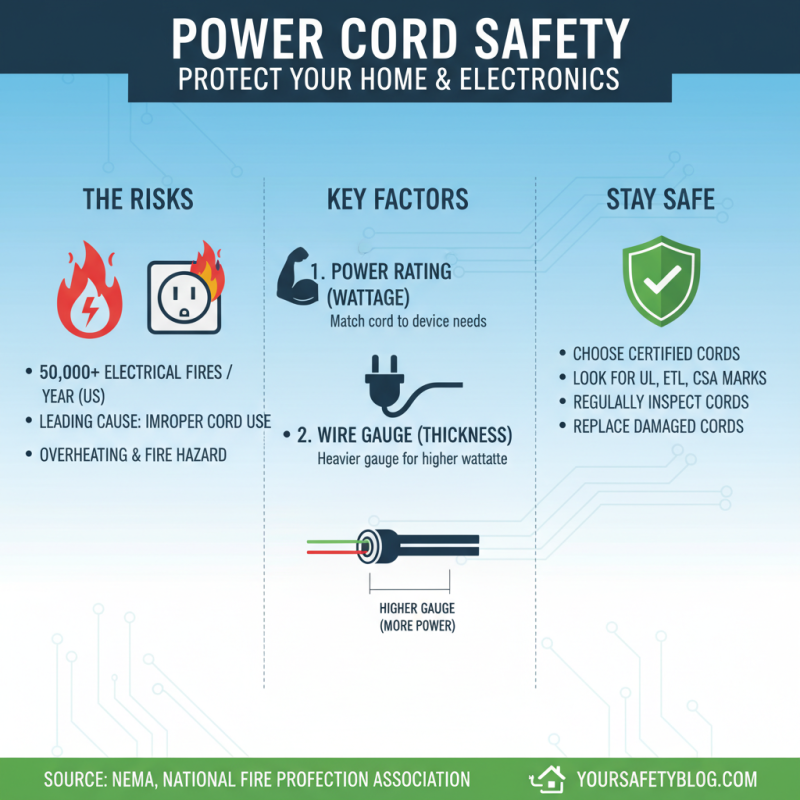
When selecting power cords for electronics, safety should be a top priority. Reports indicate that improper power cord usage is a leading cause of electrical fires, contributing to over 50,000 incidents annually in the U.S. alone. These fires are often a result of using cords that are not rated for the device's power requirements or poor insulation. Choosing the right gauge is crucial. A heavier gauge is necessary for higher wattage devices. The National Electrical Manufacturers Association states that cords must comply with safety standards to prevent overheating and potential hazards.
Consider the environment where the cord will be used. Cords exposed to moisture need specific ratings to prevent short circuits. A study by the Consumer Product Safety Commission highlights that nearly 30% of reported electrical accidents involve damaged cords. Regular inspections of cords for wear, fraying, and heat can significantly reduce risks. It’s easy to overlook these details in our busy lives, yet a simple glance can avert disaster. Using cords that aren’t compatible with outlets increases hazards, leading to serious consequences that could have been avoided. Always prioritize safety; the right choice is not just about compatibility but avoiding risks.