How to Choose the Right Power Cords for Your Devices and Safety Tips
When it comes to powering our devices, the choice of power cords is crucial for both functionality and safety. Power cords serve as the lifeline connecting our electronics to a source of energy, making their proper selection essential for ensuring reliability and preventing hazardous situations. With a myriad of options available in the market, understanding the key factors that determine the right power cord for your specific devices is vital.
In this guide, we will explore the essential criteria to consider when selecting power cords, including gauge, length, and compatibility with devices. Additionally, we will discuss important safety tips that can help prevent electrical hazards, such as insulation integrity and avoiding overloading circuits. Whether you are powering a household appliance, a DIY project, or office equipment, making informed decisions about power cords will help ensure that your devices operate safely and efficiently.
Understanding Different Types of Power Cords for Various Devices
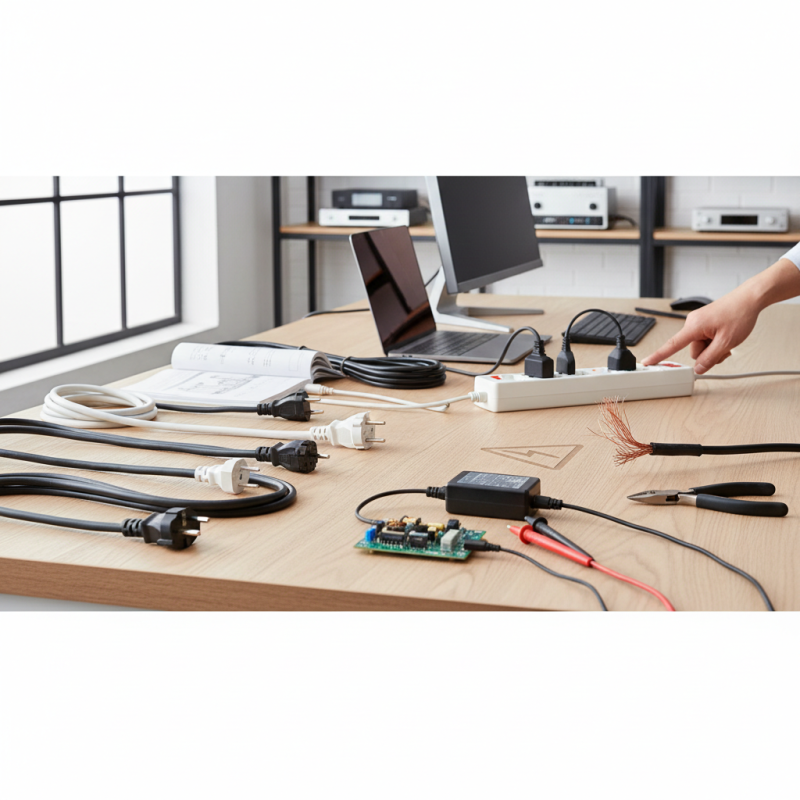
When selecting power cords for your devices, it's essential to understand the different types available and their specific applications. Power cords can vary greatly in terms of voltage ratings, plug types, and wire gauge, making it crucial to match the cord to your device's requirements. For instance, a standard two-prong cord is typically used for small appliances and electronics, while three-prong cords are designed for devices that require a ground connection to prevent electrical shock. Understanding these distinctions will help ensure that you choose a cable that suits your device's power needs and safety standards.
In addition to the basic design and functionality, the type of insulation and materials used in the power cords can also greatly affect their use. Heavy-duty cords, often rated for higher amperages, are ideal for power tools and outdoor equipment, while lighter, more flexible cords are commonly used for household electronics. Furthermore, cords can come with additional features, such as built-in surge protectors or retractable designs for easy storage. By recognizing these variations, you can select the most appropriate power cord that not only fits your device but also provides the necessary safety and performance for your specific needs.
Key Factors to Consider When Selecting Power Cords for Safety
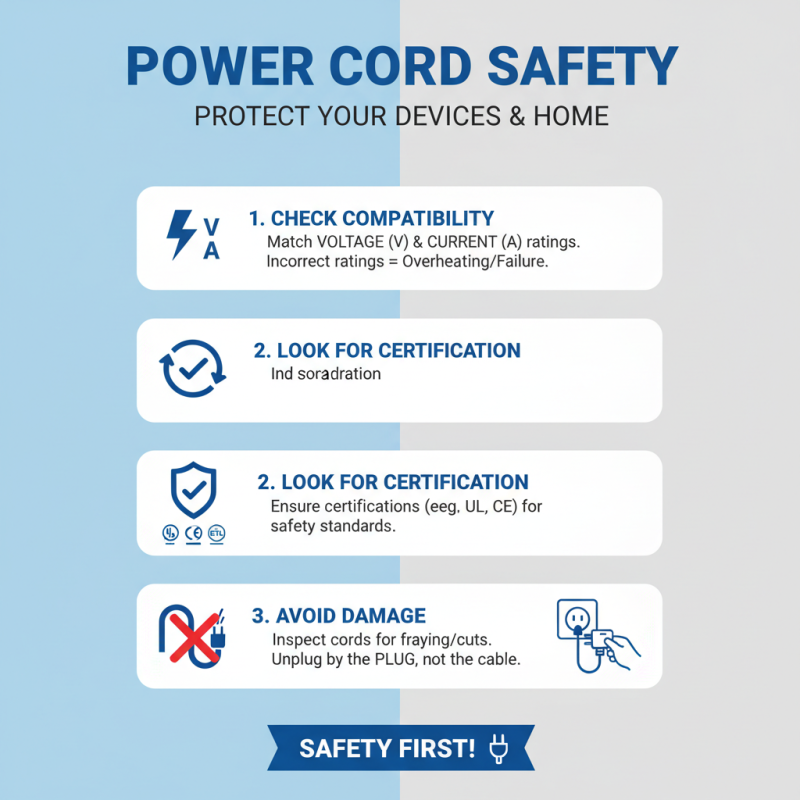
When selecting power cords for your devices, safety should be your top priority. One of the critical factors to consider is compatibility with the device's voltage and current requirements. Using a power cord that does not meet the specified ratings can cause overheating or electrical failures, which could lead to hazardous situations. Additionally, ensure that the power cord is certified by recognized safety organizations, as these certifications indicate compliance with safety standards.
Another important consideration is the cord's material and build quality. Look for cords that feature durable insulation and sturdy connectors to reduce the risk of damage over time. Cords that are too thin may not handle the required load effectively, leading to potential fire hazards. Furthermore, consider the environment where the cord will be used; if it’s in areas prone to moisture or extreme temperatures, opt for cords specifically designed for such conditions to enhance safety and longevity. Prioritizing these factors when choosing power cords can significantly reduce risks and ensure a safer connection for all your devices.
Evaluating the Voltage and Amperage Requirements of Your Devices
When selecting power cords for your devices, understanding the voltage and amperage requirements is crucial. Devices are designed to operate at specific voltage levels; for example, most household electronics run on 120V or 240V depending on the region. It’s essential to match these requirements accurately to ensure optimal performance and prevent potential hazards. According to the National Electrical Manufacturers Association (NEMA), using a power cord that does not meet the voltage specifications can lead to overheating, leading to equipment failure or, in severe cases, fires.
Amperage is equally important, as it indicates the maximum current the device requires. For instance, devices with higher power consumption, like heaters or power tools, may require cords capable of handling 15 to 20 amps. Always consult the device's manual for this information, and remember that using an undersized cord can be a safety risk. Keeping these details in mind ensures you select the appropriate cord to mitigate risks associated with electrical malfunctions.
Tips: Always opt for cords that are rated higher than your device's amperage requirement. This provides a margin for safety and prevents overheating. Additionally, check for certifications like UL (Underwriters Laboratories) to ensure the cord has met safety standards. Regularly inspect your cords for damage, as frayed wires can significantly increase the risk of electrical hazards.
How to Choose the Right Power Cords for Your Devices and Safety Tips - Evaluating the Voltage and Amperage Requirements of Your Devices
| Device Type |
Voltage Requirement (V) |
Amperage Requirement (A) |
Recommended Cord Type |
Safety Tips |
| Laptop |
19 |
4.74 |
AC Adapter Cord |
Use surge protectors, avoid overloading sockets |
| Desktop Computer |
120 |
6 |
C13 Power Cord |
Ensure proper grounding, check for wear on cords |
| Television |
120 |
2.5 |
Standard Power Cord |
Keep cords away from heat sources, unplug when not in use |
| Refrigerator |
120 |
3.5 |
Heavy Duty Power Cord |
Install on a dedicated circuit, avoid daisy chaining |
| Washing Machine |
120 |
10 |
NEMA 5-15 Cord |
Check for leaks, use GFCI outlets |
Understanding Cable Ratings and Certifications for Safety Compliance
When selecting power cords for your devices,
understanding cable ratings and certifications is crucial for ensuring safety and compliance with electrical standards.
Cable ratings indicate the maximum current, voltage, and temperature the cord can safely handle, which is vital for preventing overheating and potential hazards.
For instance, a cord with a lower current rating may not be suitable for high-powered devices, leading to increased risk of electrical fires or equipment damage.
Always check the specifications of your devices against the ratings of the power cords you consider.
Certifications from recognized testing organizations, such as UL (Underwriters Laboratories)
and CE (Conformité Européenne), further ensure that the cables meet stringent safety standards.
These certifications indicate that the cables have been rigorously tested for performance and safety under various conditions.
When purchasing power cords, look for these certifications on the product packaging or labels.
Additionally, consider purchasing cables from reputable manufacturers that comply with recognized safety standards,
as this reduces the likelihood of using subpar or potentially hazardous products.
Prioritize safety by understanding these essential aspects of cable ratings and certifications.
Best Practices for Maintaining and Storing Power Cords Safely
Maintaining and storing power cords properly is essential for ensuring both the longevity of the cords and the safety of users. According to the National Fire Protection Association (NFPA), electrical failures, including issues related to power cords, account for approximately 15% of home structure fires. Proper storage practices can significantly reduce hazards associated with cord damage and electrical shorts. It is crucial to avoid coiling power cords tightly, as this can create stress points that may lead to internal wire damage. Instead, cords should be loosely coiled or stored using cord organizers that alleviate strain.
Furthermore, regular inspections of power cords can help identify signs of wear and tear such as fraying or exposed wires. A report by the Electrical Safety Foundation International (ESFI) indicates that rigorous inspection routines can minimize the risk of electrical hazards. To ensure safety, it is advisable to store power cords in dry, cool places, away from direct sunlight and heat sources, which can degrade the materials over time. In addition, keeping cords out of high-traffic areas can prevent accidental tripping and damage. By following these best practices, users can enhance their safety while ensuring their devices operate effectively and efficiently.
Power Cord Safety and Usage Statistics