How to Choose the Best Home Textile Fabric for Your Needs?
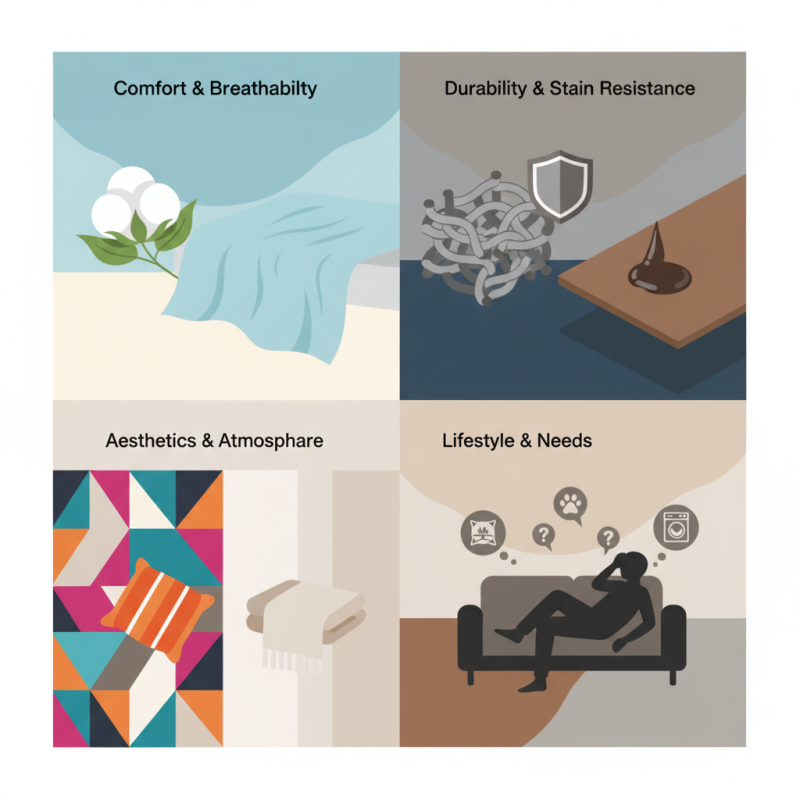
Choosing the right home textile fabric is essential for creating a comfortable living environment. With various options available, it can be overwhelming. Think about your needs and lifestyle. Each type of fabric offers different benefits.
Natural fabrics like cotton are breathable and soft. They work well in bedrooms or living rooms. Synthetic fabrics, on the other hand, are often more durable and stain-resistant. But do they feel cozy enough?
Consider the colors and patterns too. They define the atmosphere of your space. Are you drawn to bold prints or neutral tones? Remember, the right home textile fabric can transform a room, but it’s crucial to reflect on what truly fits your lifestyle. Explore your options thoughtfully.
Understanding Different Types of Home Textile Fabrics
Home textile fabrics come in various types, each with unique features. Cotton is popular for its softness and breathability. It works well for sheets or curtains. Linen, on the other hand, offers a rustic charm. It wrinkles easily but provides a cool, airy feel in hot weather.
When selecting fabrics, consider the room's purpose. For living areas, upholstery should withstand wear and tear. Fabrics like microfiber or heavy-duty blends are ideal. In bedrooms, softer textiles promote comfort and relaxation. Opt for jersey knit or sateen for sheets, as they feel gentle against the skin.
Tips: Always test fabric samples in your space. Colors may change with lighting. Remember, natural fibers like wool and cotton may be less durable. Synthetic fabrics often offer longevity but can feel less comfortable. It’s crucial to find a balance between aesthetic appeal and functionality.
Evaluating Fabric Durability and Maintenance Requirements
Choosing the right home textile fabric involves considering durability and maintenance. Fabrics can vary significantly in how well they withstand daily use. For example, cotton offers a soft feel but may wear out faster than synthetic blends. Assessing your lifestyle is crucial. If you have pets or young children, opt for fabrics known for easy cleaning and resilience.
Different materials also have distinct care requirements. Linen looks great but can wrinkle easily, while polyester tends to resist stains. Fabrics like microfiber are popular for their low maintenance needs. It’s wise to read care labels carefully. Some might need dry cleaning, while others can be machine-washed.
Think about how much effort you’re willing to invest in maintenance. Will you enjoy ironing, or do you prefer no-fuss fabrics? Sometimes, it might feel challenging to balance aesthetics with practicality. Reflect on your choices. The best fabric aligns with your lifestyle while being easy to care for. Make selections that fit into your daily routine without adding unnecessary stress.
Assessing Comfort and Aesthetic Appeal in Home Textiles
When selecting home textiles, comfort and aesthetic appeal are essential. The right fabric can transform your living space. Soft materials invite relaxation, while colors and patterns convey personality.
Textures matter a lot. Velvet and microfiber offer a plush feel. Cotton is breathable and versatile. Consider how these fabrics make you feel when you touch them. Choose what resonates with you. It might be silk for luxury, or linen for a casual vibe.
Tips:
Test different materials. Visit a store and feel the fabrics. Compare their durability and softness. Think about how they will fit into your decor style.
Aesthetics play a key role too. Picking the right colors is crucial. Do bright colors energize you? Or do muted tones create a calm atmosphere? Remember, the design should reflect your taste. Don't rush; take time to visualize how different fabrics will work in your home.
Tips:
Create mood boards. Collect swatches and images. This process can help clarify your choices. Visualizing helps you spot flaws and refine your preferences.
Considering Environmental Impact and Sustainability of Fabrics
Choosing the right fabric for home textiles means considering more than just aesthetics. The environmental impact of fabrics is crucial. Many textiles are produced in ways that harm the planet. This includes excessive water usage and harmful chemicals. Let's explore how to pick more sustainable options.
When selecting fabrics, look for natural materials. Cotton and linen are good examples. They are biodegradable. However, ensure they are certified organic. This helps reduce pesticides. Also, pay attention to certifications like GOTS or OEKO-TEX. These labels indicate eco-friendly practices. Remember, not all natural fabrics are sustainable.
Tips: Check the fabric's life cycle. Is it durable? Can it withstand wear and tear? A longer lifespan means less waste. Avoid synthetic fabrics, as they take longer to decompose. Think about second-hand options too. Upcycled materials can be both unique and eco-friendly.
Another aspect to consider is local production. Sourcing materials made closer to home can reduce transport emissions. Local textiles often support small businesses. Be mindful of your choices. Every decision counts towards a more sustainable future. Make sure to reflect on where your fabric comes from.
Home Textile Fabric Sustainability Impact
Budgeting for Quality: Balancing Cost and Fabric Benefits
When considering home textile fabrics, budget often plays a crucial role. It is essential to balance cost with quality. Higher-priced fabrics may offer durability and comfort, but not all expensive options meet expectations. Sometimes, you may find affordable materials that provide adequate performance for everyday use.
Identify your primary needs before making a decision. For instance, if you want curtains that block out light, it’s wise to invest in thicker fabrics. Yet, a lightweight cotton may suffice for summer linens. Analyze the trade-offs. A cheaper fabric may wear out quickly, requiring replacement sooner than anticipated. On the other hand, a more expensive option can enhance your space's aesthetic while lasting for years.
Consider hidden costs as well. Maintenance plays a vital role in long-term investments. Some fabrics may require special cleaning, which can add up over time. Think about your cleaning routine before finalizing a choice.
Ultimately, it's about finding a balance. A mindful approach ensures you select a fabric that meets both your functional and financial needs, without unnecessary compromises.