Why Choose the Best Flotation Equipment for Your Needs?
In today's competitive mining and mineral processing industries, selecting the right Flotation Equipment is critical. According to market research by Grand View Research, the global flotation equipment market was valued at over USD 2.5 billion in 2022 and is expected to grow steadily. This indicates a rising demand for effective mineral separation technologies, emphasizing the significance of quality equipment.
Choosing flotation systems that align with specific operational goals enhances both efficiency and profitability. Notably, outdated or improperly matched equipment can lead to significant losses. Companies must consider various factors when assessing flotation options, including the type of minerals involved and the desired recovery rates. The wrong choice can compromise the entire process.
Furthermore, industry leaders recommend that operators regularly evaluate their existing flotation technologies. Continuous advancements in equipment design and material science offer new opportunities for optimizing performance. Evaluating these changes critically can prevent stagnation and promote sustainable operations. Investing time in understanding the nuances of flotation equipment can pay dividends in efficiency and yield.
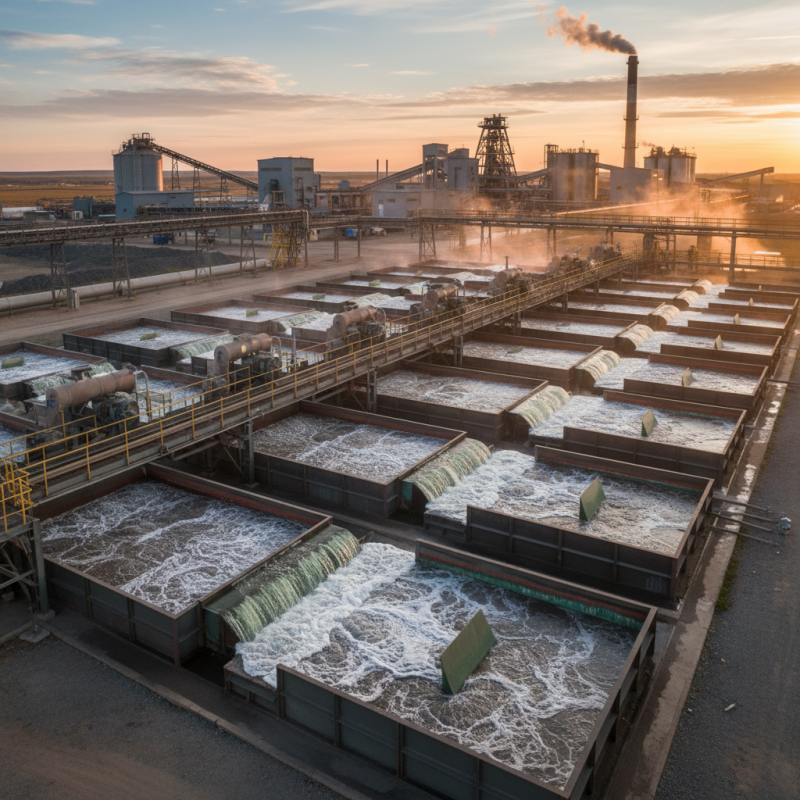
Understanding Flotation Equipment: Types and Functions
Flotation equipment plays a crucial role in various industries, notably in mining and wastewater treatment. Understanding its types and functions can enhance operational efficiency. According to a recent market report, the global flotation equipment market is expected to reach $2.4 billion by 2025, reflecting its growing importance.
There are various types of Flotation Machines, includingmechanical and column flotation cells. Mechanical cells, often used for bulk flotation, rely on impellers to mix and create bubbles. Conversely, column cells utilize the principle of countercurrent flow to improve separation. Their design can lead to higher recovery rates. It’s estimated that flotation cells can achieve recoveries over 90% in certain mineral processing applications. However, factors like bubble size and particle interaction need continuous evaluation for optimal results.
Flotation units must be tailored to specific needs. The choice of equipment impacts not only efficiency but also environmental compliance. Reports indicate that inadequate flotation can lead to increased waste and energy costs. A reflective approach on technology choice helps in addressing inefficiencies. Each process has its challenges; balancing operational throughput with recovery can be complex. This ongoing evaluation is necessary to ensure the best outcomes in flotation processes.
Key Factors to Consider When Selecting Flotation Equipment
Selecting the right flotation equipment is crucial for successful operations in various industries. Understanding the specific needs of your process is imperative. Focus on the capacity and efficiency of the equipment. Assess the desired separation performance. It’s important to match these factors with equipment capabilities. A mismatch may lead to poor recovery rates.
Another factor is material compatibility. Flotation equipment must handle different materials effectively. Poor compatibility can cause operational challenges. Pay attention to wear resistance and chemical compatibility. Evaluate the expected lifecycle costs. This insight helps in making informed purchasing decisions.
Look for expert advice when considering different options. Knowledgeable professionals can guide you in navigating the complexities. Seek reliability in your equipment choices. Researching product reviews or case studies can provide insight. Each choice has its trade-offs, and understanding them leads to better results. Engage with industry forums. Share experiences and learn from others. Each discussion reveals practical insights that can be invaluable.
Advantages of High-Quality Flotation Equipment for Efficiency
Choosing high-quality flotation equipment can significantly enhance operational efficiency. Advanced flotation systems optimize mineral recovery and maximize resource utilization. These systems deliver superior performance, ensuring that even fine particles are effectively processed. This results in higher recovery rates, leading to increased profitability for mining operations.
The benefits of premium flotation equipment extend beyond performance. Enhanced durability ensures fewer breakdowns and maintenance issues. Reliable equipment reduces downtime, allowing for smoother operations. Furthermore, high-quality machines often come with better energy efficiency, which translates to lower operational costs. Investing in reliable equipment may feel daunting at first, but the long-term savings can be substantial.
However, not all flotation equipment will meet specific needs. Selecting the right technology requires careful consideration of unique materials and processing requirements. Each mining operation is different, which means a one-size-fits-all solution may not be effective. Continuous evaluation and adaptation to new technologies can help improve the flotation process over time. Choosing the best equipment isn’t just about current efficiency; it’s about future-proofing operations.
Why Choose the Best Flotation Equipment for Your Needs? - Advantages of High-Quality Flotation Equipment for Efficiency
| Dimension | Description | Value | Benefit |
| Material Quality | Durability and resistance to wear | High-grade steel | Longer equipment life, reducing replacement costs |
| Efficiency | Separation and recovery rate | Up to 95% | Higher yield of valuable minerals |
| Energy Consumption | Power requirement for operation | 30 kWh/ton | Lower operating costs, enhanced profitability |
| Maintenance | Frequency and ease of maintenance | Low maintenance required | Reduced downtime and operational costs |
| Customizability | Ability to adapt to specific needs | Modular design | Flexibility in operation based on material characteristics |
Common Applications of Flotation Equipment in Various Industries
Flotation equipment plays a crucial role across various industries. In mining, it is primarily used for separating valuable minerals from ores. This process requires precise management of slurries and froths. Effective flotation can significantly enhance recovery rates. However, not all operations achieve optimal results. Factors such as bubble size and chemical reagents can greatly impact efficiency.
In the wastewater treatment sector, flotation equipment helps remove contaminants. It separates solids and oils from water, promoting environmental sustainability. The process can be complex and sometimes inefficient. Operators must monitor the chemical balance closely. A slight change can lead to unexpected outcomes. Proper training and experience are essential for personnel.
Additionally, flotation is increasingly relevant in the recycling industry. It aids in the separation of plastics from other materials. This application highlights the equipment's versatility. Yet, challenges remain. Not all materials respond equally well to flotation. Understanding the specific properties of materials is vital. Balancing different factors is key to improving processes and outcomes.
Cost vs. Quality: Making an Informed Choice on Flotation Equipment
When choosing flotation equipment, cost is a significant factor. However, quality should not be compromised for lower prices. Cheaper options may save money upfront but could lead to higher long-term expenses. Maintenance costs often rise with lower-quality equipment. Investing in high-quality flotation systems can enhance efficiency and durability.
Understanding your specific needs is vital. The choice between cost and quality doesn’t have a one-size-fits-all answer. Some industries may require robust and reliable equipment, while others might lean towards basic functionality. Analyzing your particular application can lead to a better decision. Reflect on past equipment choices. Did saving money result in unforeseen costs? Learning from these experiences can guide your next steps.
Quality flotation equipment typically offers superior performance and longevity. While the upfront cost may be higher, it often pays off over time. Seek expertise from industry professionals. Their insights can shed light on durability and performance. Quality assurance in equipment leads to a more reliable outcome in various applications. Prioritize making informed decisions based on concrete data and professional evaluations.
Cost vs. Quality of Flotation Equipment
This bar chart illustrates the cost comparison between low-quality, mid-range, and high-quality flotation equipment. Choosing the best flotation equipment involves weighing the costs against the expected quality and performance in order to make an informed decision.

